Volkswagen faces its biggest transformation: 50,000 more jobs to go, four plants without secured future models
Volkswagen’s Future Plan 2030 points to roughly 50,000 fewer positions across the group, while four German plants have no competitive allocation of new models secured beyond 2031.
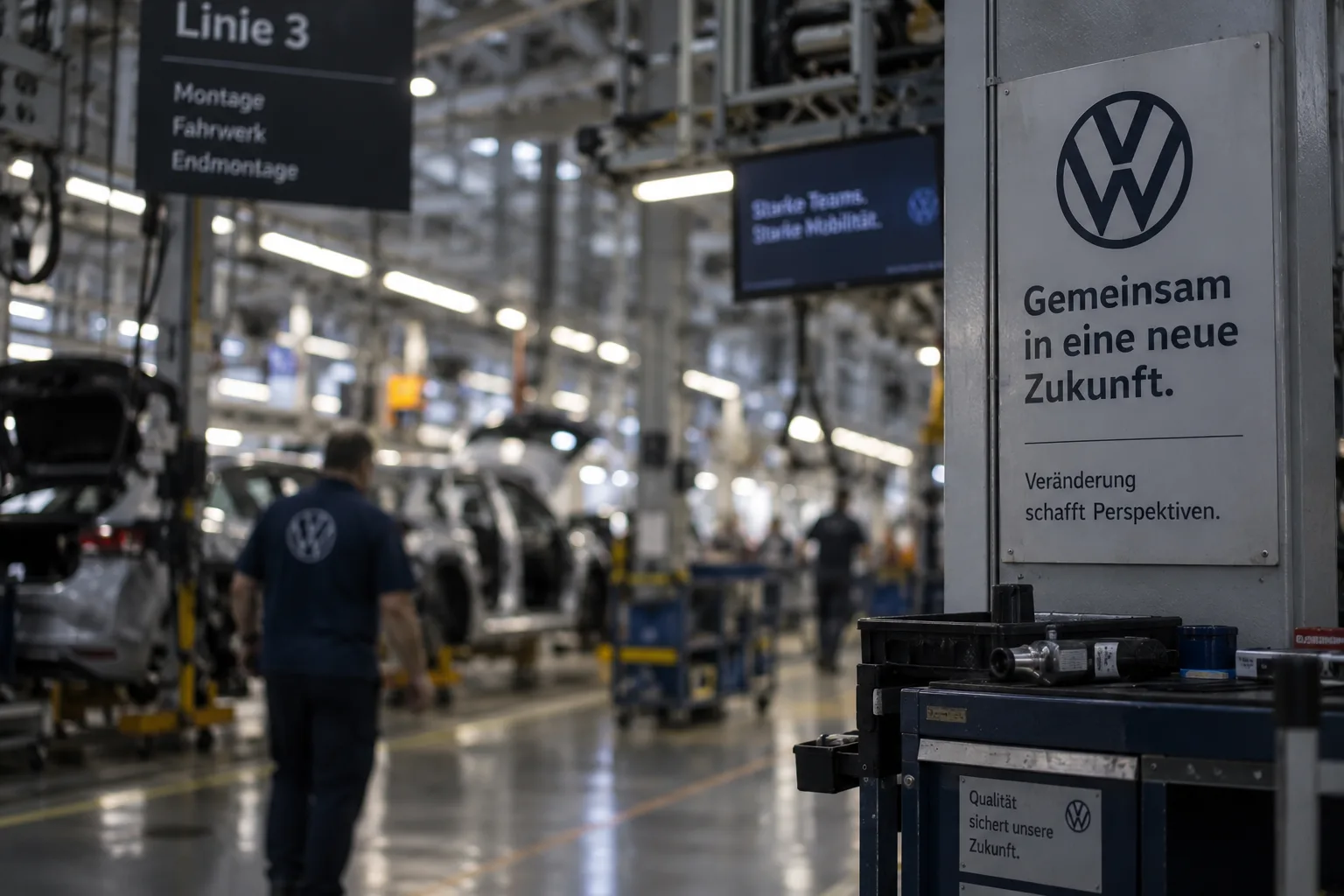
Volkswagen is entering the most extensive transformation programme in the group’s history. On 3 September, the supervisory board unanimously approved Future Plan 2030, a package of 12 initiatives designed to cut costs, simplify the business and restore profitability amid weaker demand, intense Chinese competition and mounting trade pressure.
The most sensitive parts of the plan concern jobs and manufacturing. Volkswagen estimates that, in addition to programmes already under way, its global workforce will need to shrink by approximately 50,000 positions. At the same time, four German plants have no competitive allocation of new models secured beyond 2031.
Four plants without secured new models
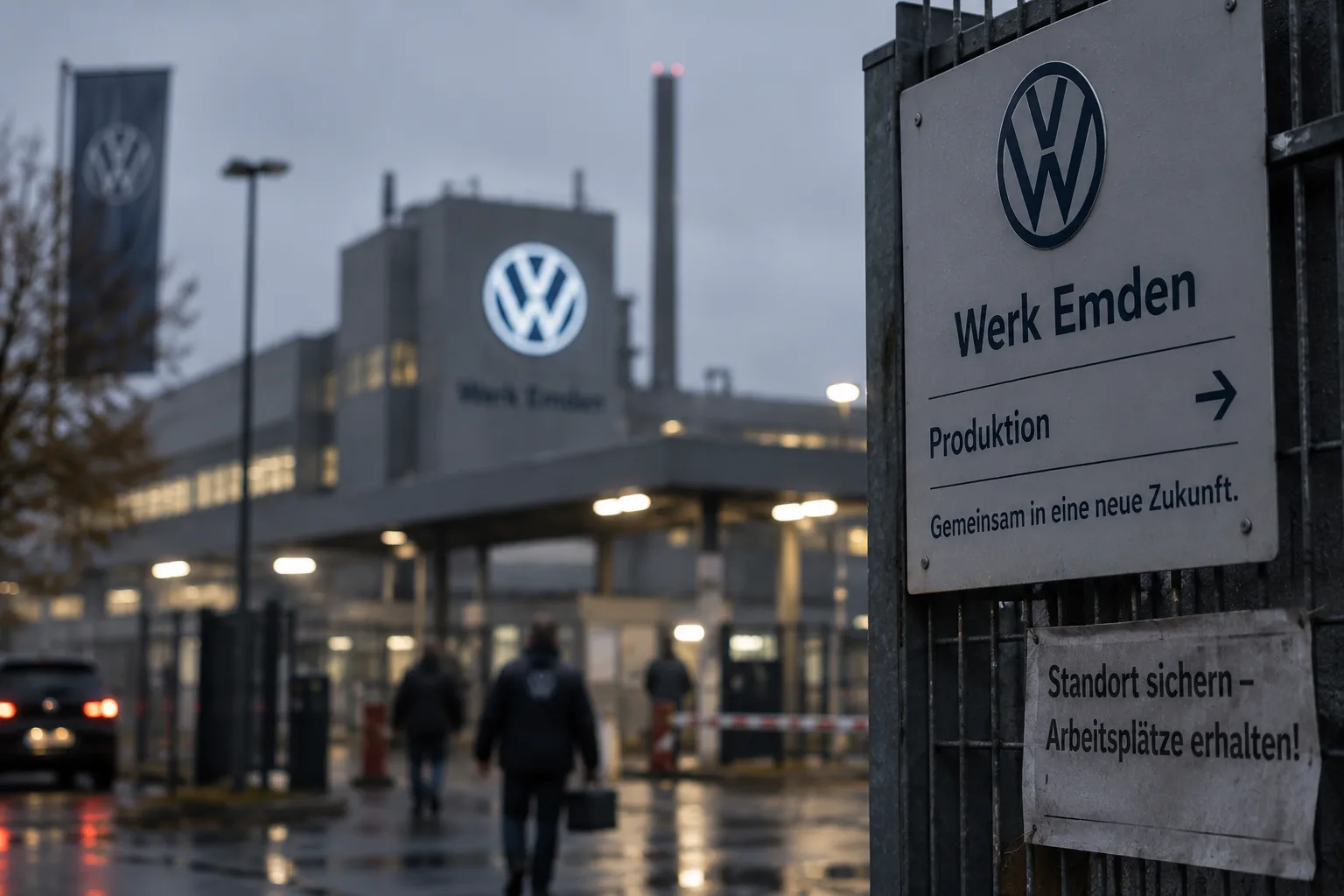
The sites in question are Emden, Zwickau, Hanover and Neckarsulm. Volkswagen says it is currently unable to secure competitive future production for the four plants as their existing model allocations run out in stages between 2031 and 2034. The group is therefore assessing alternative uses for each location.
This is not a decision to close the plants. It is, however, an unusually direct acknowledgement that Volkswagen’s European manufacturing network has too much capacity. According to the group, its European factories can currently produce more than 500,000 vehicles a year above the level of demand.
A proposal for a sustainable and competitive European production structure is due by the end of June 2027. Only then should it become clearer which sites will receive new models and which may need a different industrial role.
A further reduction of about 50,000 positions
The analysis behind Future Plan 2030 indicates that Volkswagen Group will need to reduce its global workforce by approximately 50,000 positions, including management roles. The company has not disclosed a timetable, a breakdown by brand or region, or how the reduction will be achieved.
Reuters reports that the figure comes on top of roughly 50,000 positions already covered by earlier programmes. Taken together, the measures could affect around 100,000 jobs across the group. That does not mean 100,000 people will be dismissed at once: part of the earlier reduction is already in progress, while the details of the latest plan still have to be negotiated with employee representatives.
For Germany, this goes far beyond an internal reorganisation at one company. Volkswagen, its brands and its extensive supplier network form a major part of the country’s industrial economy. Lower output could therefore affect regions that depend heavily on car manufacturing.
Fewer models, fewer variants and lower costs
Volkswagen is not merely reducing headcount. The plan changes how the group develops, builds and sells vehicles.
By 2035, the model portfolio is set to shrink by around 50%. The number of configurations and equipment options is expected to fall by roughly 75%. Volkswagen wants to concentrate on fewer vehicles, build them in larger volumes and reduce the cost of each model.
The group is targeting annual sales of nine million vehicles and a 9% operating margin by 2030. Its plan points to an operating result of approximately €31 billion, overhead costs of €37 billion, and €135 billion in capital expenditure and research and development between 2027 and 2031.
Chief executive Oliver Blume said Volkswagen would invest hundreds of billions of euros in products, technology and new areas of growth over the coming years. The transformation is not a retreat from the technology race. It is an attempt to finance that race through a leaner and less costly organisation.
Investors welcome the plan, workers await the details
The market response was positive. Volkswagen shares rose 7.9% in early Frankfurt trading on 4 September, suggesting that investors see the agreement as a way to speed up decisions and deliver lasting cost reductions.
For employees, the picture is far less certain. Volkswagen has set out the framework and the target, but it has not said where the largest share of the new reduction will fall or what will happen to the four plants. Negotiations with worker representatives still lie ahead, along with decisions on models, sites and investment.
GlobalTalent24 analysis
The plan will be one of the most consequential tests of Germany’s industrial model. Volkswagen must cut costs, align capacity with weaker demand and still preserve enough investment for electric vehicles, software and new products.
If it succeeds, the group could show how a large European manufacturer can simplify a complex organisation without losing its technological edge. If it fails, the pressure will not stop at four plants. It will spread to suppliers, local tax bases and thousands of industrial jobs across Germany.
Image disclosure: The images in this article were generated using artificial intelligence and are used for illustrative purposes only.
Sources
Volkswagen Group: Supervisory Board approves Future Plan 2030, 3 September 2026
Volkswagen Group Investor Relations: financial news and the supervisory board decision
Reuters: Volkswagen confirms a further reduction of around 50,000 positions, 3 September 2026
Reuters: background on capacity and model reductions, 9 July 2026