German Citizenship 2026: What You Really Need for a German Passport
Five years in Germany, B1 German, a secure livelihood and a passed test. The path to a German passport is shorter than it was a few years ago, but the rules have changed again.
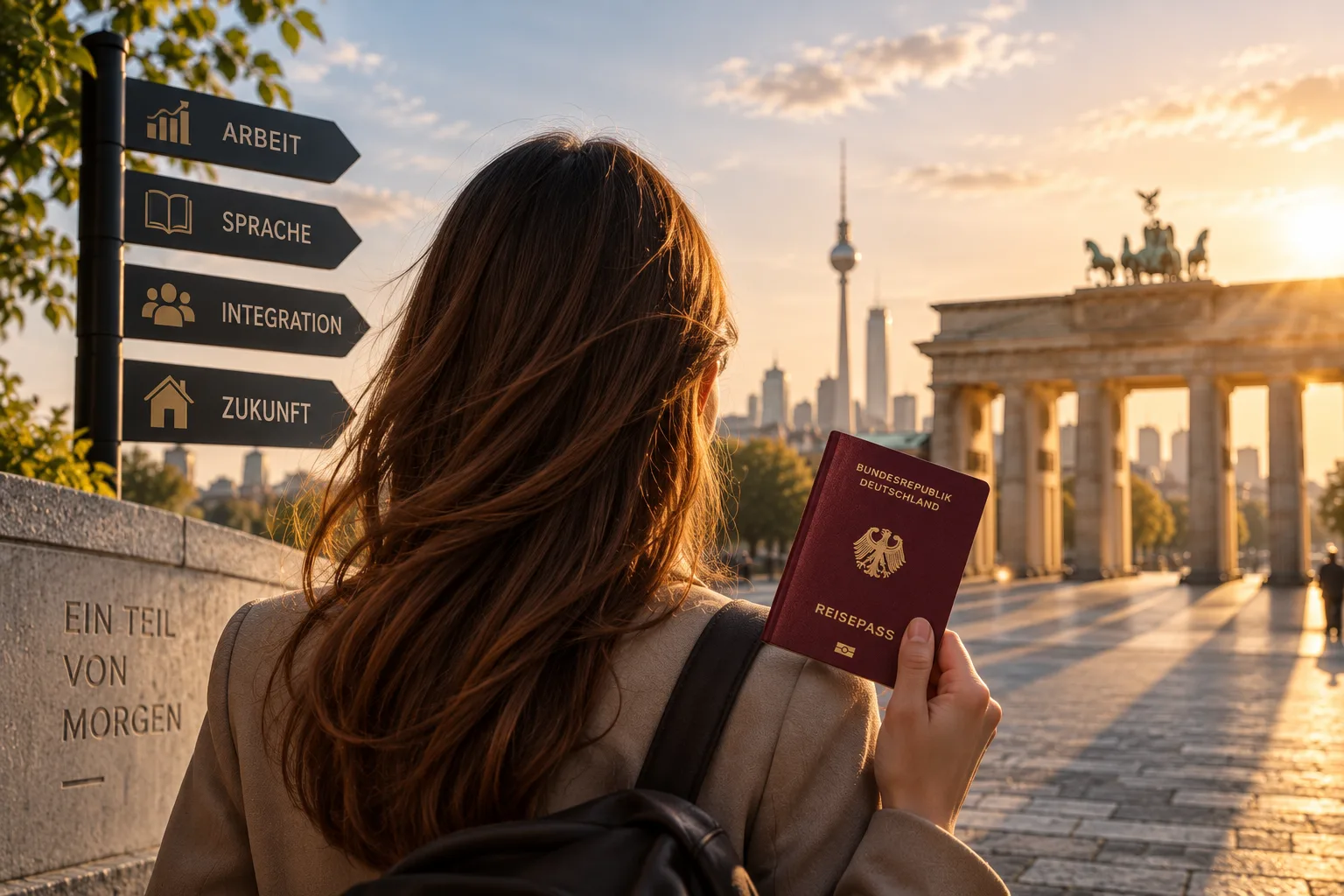
Five years of living in Germany, German at B1 level, a secure livelihood and a passed test. The path to a German passport is shorter today than it was a few years ago, but the rules have changed again. The GlobalTalent24 Team examined what you actually need to meet under the German rules currently in force.
German citizenship has undergone one of the biggest reforms in the country’s modern history in recent years. The rules introduced in 2024 made naturalisation considerably easier, but one part of them has since been changed again.
The most important information for foreigners planning to apply today is simple: regular naturalisation requires at least five years of lawful and habitual residence in Germany.
The option of obtaining citizenship after only three years, once available to people with special integration achievements, has been abolished. The new provision entered into force on 30 October 2025.
Five years is not the only requirement
Time spent in Germany alone is not enough.
Applicants must prove their identity and nationality and hold an appropriate right of residence. The law also requires, subject to statutory exceptions, that a person can support themselves and dependent family members without relying on certain social benefits.
Knowledge of German remains one of the central requirements. In the standard case, at least B1 German according to the Common European Framework of Reference for Languages is required.
Applicants must also demonstrate knowledge of Germany’s legal and social order and living conditions. This is usually proven by passing the Einbürgerungstest, the naturalisation test.
The test currently costs 25 euros. The official BAMF catalogue for preparation contains 300 general questions and ten questions relating to the applicant’s federal state.
What else is checked
Naturalisation is not only an administrative matter of years of residence, language and employment.
Applicants must declare their commitment to Germany’s free democratic constitutional order. The law also requires a declaration concerning Germany’s special historical responsibility for National Socialist rule and its consequences, especially the protection of Jewish life, as well as the peaceful coexistence of peoples and the prohibition of waging a war of aggression.
Criminal convictions can also be an obstacle to obtaining citizenship, with the competent authority assessing the individual case in accordance with the law.
Dual citizenship is possible
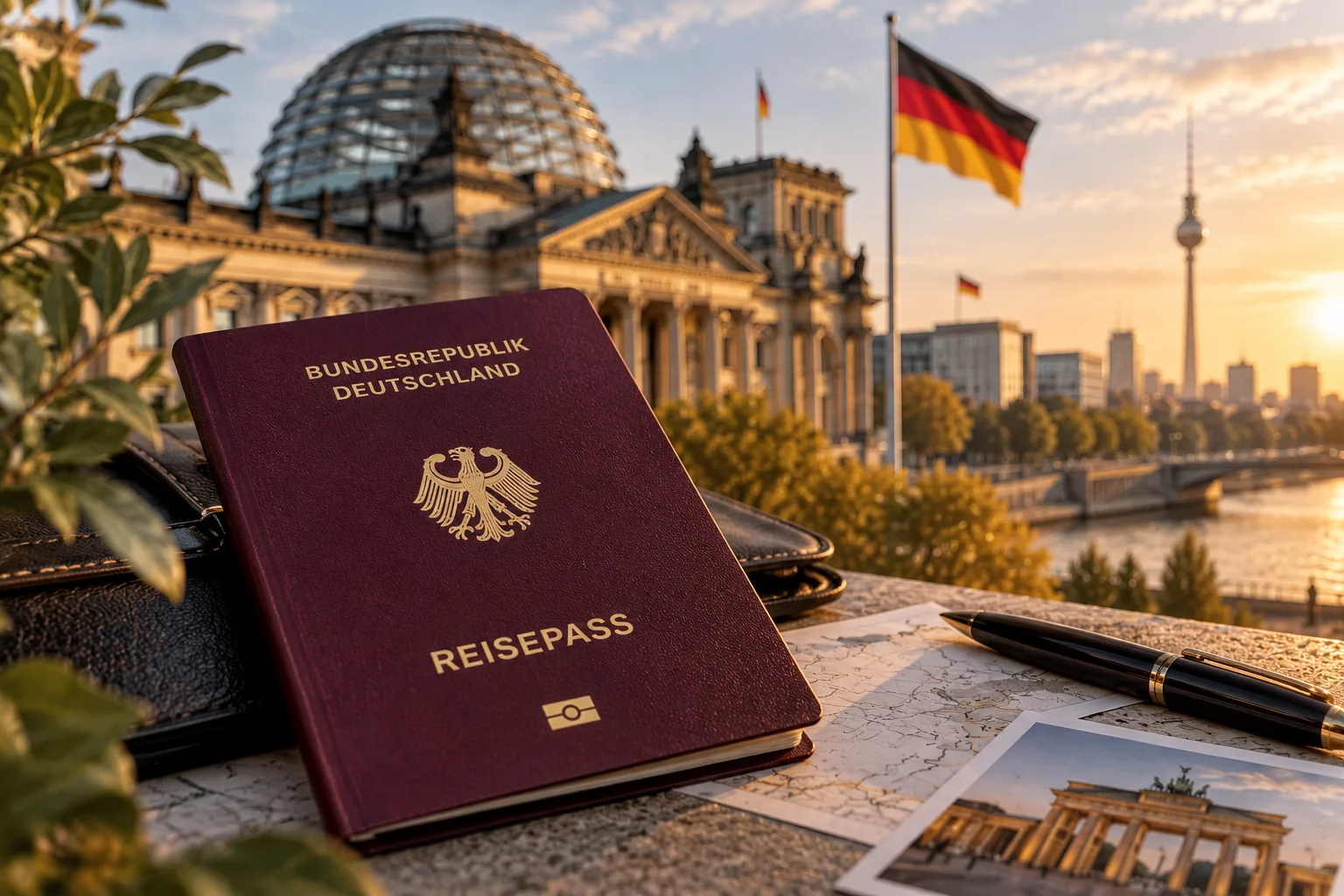
For many people from the Balkans, this is one of the most important changes.
Under German law, naturalisation no longer generally requires giving up a previous nationality. Multiple citizenship is generally permitted in Germany.
There is, however, an important detail. The fact that Germany allows you to retain your previous citizenship does not automatically mean that the country whose citizenship you already hold permits it as well. Before applying, you should therefore also check the rules of your country of origin.
An important exception for spouses of German citizens
Five years is not an absolute rule in every situation.
A spouse or registered partner of a German citizen may, if the other statutory requirements are met, be naturalised after three years of lawful residence in Germany, provided the marriage or registered partnership has existed for at least two years.
This should not be confused with the former accelerated naturalisation after three years based on special integration achievements. That option has been abolished.
How much it costs and how long it takes
The naturalisation fee is currently 255 euros per person. For a minor child without their own income who is naturalised together with their parents, the fee is generally 51 euros.
Additional costs may arise, for example for proof of language skills, obtaining documents and taking the test.
Time is an even more significant factor.
Germany’s official information portal warns that the procedure can take 18 months or longer, depending on the individual case and the competent authority. Complete documentation when submitting the application can therefore be very important.
The application is submitted to the competent local citizenship authority, the Staatsangehörigkeitsbehörde. In some cities and municipalities, the process can also be started digitally.
What to prepare before applying
In practice, the competent authority will ask for documents proving identity, nationality, residence status, family status, income or secured livelihood, German language skills and the knowledge required for naturalisation.
The exact list is not identical for every applicant. For example, you may need a passport, civil-status certificates, marriage certificate, proof of residence status, employment and income documents, a B1 certificate and confirmation that you passed the naturalisation test.
You should therefore not compile your documents solely from lists found online. The authoritative list is the one required by the Staatsangehörigkeitsbehörde responsible for the applicant’s place of residence.
A German passport is no longer a goal reserved for people who have lived in the country for decades
The reform permanently changed one important point: the standard path to citizenship now begins after five years of lawful life in Germany, and multiple citizenship is generally accepted on the German side.
At the same time, the abolition of naturalisation after only three years shows that the rules can change relatively quickly. Information that was correct in 2024 may no longer be correct today.
For this reason, the GlobalTalent24 Team checked the current wording of Germany’s Nationality Act and information from German federal institutions when preparing this article, rather than relying on old guides or social-media posts.
For those only beginning to plan a life and career in Germany, the path to citizenship starts long before the application itself. Stable residence, work, language skills and orderly documentation are built up over years.
On GlobalTalent24 you can create an account, find jobs with employers in Germany and prepare your CV and application documents.
Official sources
Federal Government of Germany: New rules for naturalisation
German Nationality Act, Section 10 StAG
German Nationality Act, Section 9 StAG – spouses of German citizens
Official Federal Government portal: Einbürgerung.de
Official information on the procedure and required evidence
Official questions and answers on citizenship, costs and processing times
BAMF: Official question catalogue for the naturalisation test